Stomach Trouble in Japan? Best Gentle Foods & Recovery Guide
Conclusion: If you experience stomach trouble, diarrhea, or gastroenteritis in Japan, the best immediate response is to eat easily digestible foods from local convenience stores (Konbini).
Reason & Solution: From a nutritional perspective, your inflamed stomach needs low-fat, low-fiber foods that provide quick energy. Japanese staples like Okayu (rice porridge) and Udon perfectly meet these medical criteria. If symptoms persist for more than two days, use HOTEL de DOCTOR 24 to consult an English-speaking doctor online for a prescription.

Japanese cuisine is world-famous, but sometimes travel stress, unfamiliar ingredients, or a virus can lead to an upset stomach. Dealing with diarrhea, nausea, or gastroenteritis while traveling is miserable, especially when you don’t know what is safe to eat.
If you are feeling sick in Japan, don’t worry. You don't need a kitchen to recover. This guide explains how to manage your symptoms and introduces stomach-friendly Japanese foods you can easily find at convenience stores (Konbini).
Step 1: Hydration is Key

According to the NIH (National Institutes of Health) and CDC, the most important step when you have diarrhea or vomiting is to prevent dehydration.
- What to Drink: In Japan, look for “Ion Supply Drinks” like Pocari Sweat or Aquarius at any vending machine or convenience store. These are similar to sports drinks and help replace lost electrolytes.
- How to Drink: Take small sips frequently. Do not gulp large amounts at once, as this may worsen nausea.
Step 2: Gentle Japanese Foods to Eat
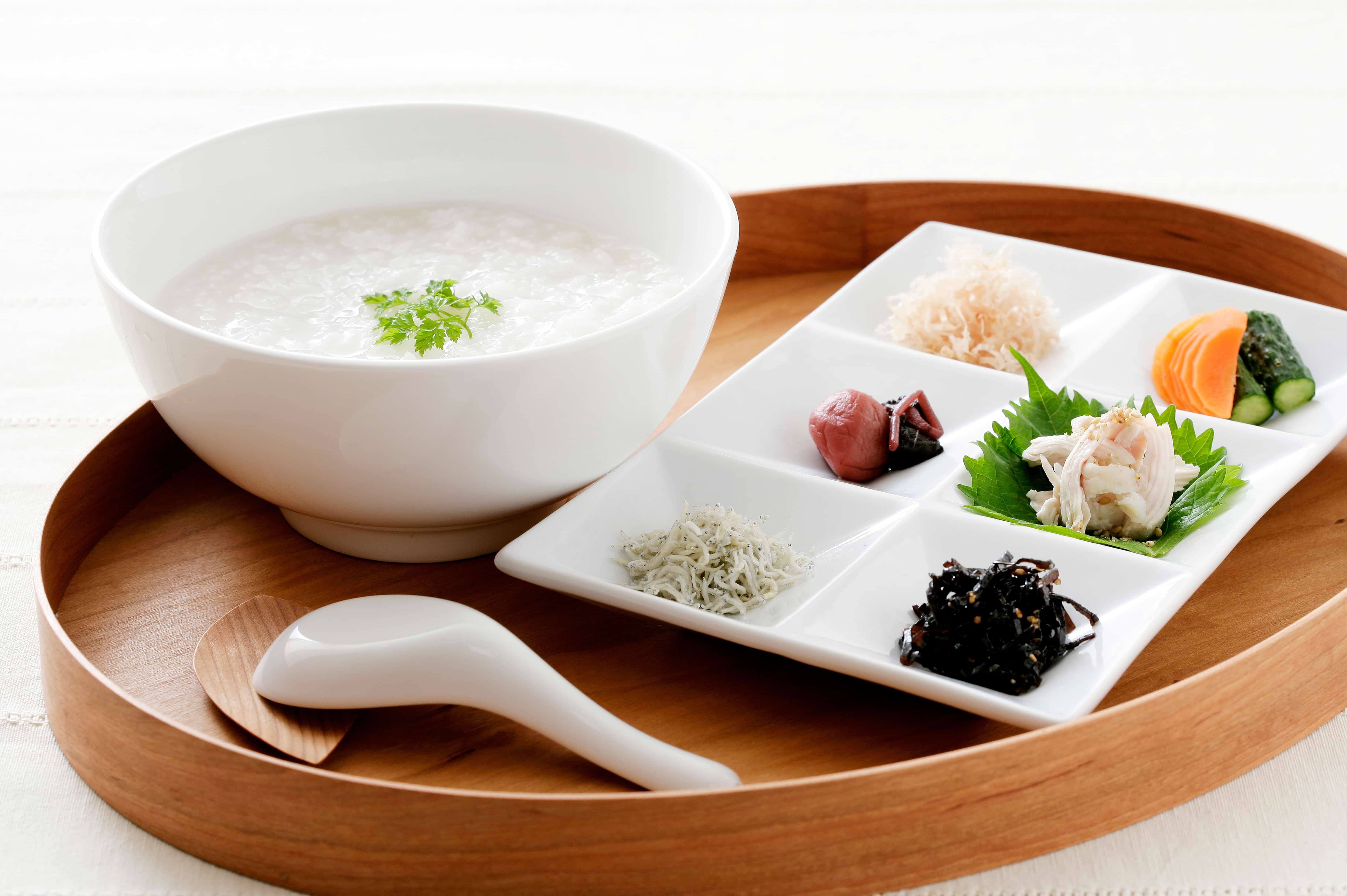
Once your appetite returns, MedlinePlus recommends starting with bland foods that are easy to digest. Avoid fatty, spicy, or sugary foods.
🩺 Nutritional Insight: Why Konbini Foods Work for Recovery
When you have gastroenteritis or diarrhea, your gastrointestinal tract is inflamed and its digestive enzymes are depleted. Medically and nutritionally, your body needs easily digestible carbohydrates for energy, while strictly avoiding lipids (fats) and dietary fiber, which require heavy stomach acid and bowel movements to process. Japanese convenience stores are uniquely stocked with traditional foods (like white rice and wheat noodles) that perfectly match this "low-fiber foods" profile.
Based on medical advice, here are the best nutritional choices available at Japanese convenience stores 24/7:
| Konbini Food | Nutritional Benefit (Why it's good) | How to Choose & Eat |
|---|---|---|
| Okayu (Rice Porridge) おかゆ / 粥 |
High-glycemic carbohydrates that break down quickly into glucose. Boiled in excess water, it requires almost no mechanical digestion by the stomach. | Found in microwaveable pouches. Choose plain ("Shiro-gayu") or pickled plum ("Ume"). Avoid egg or meat toppings which add fat. |
| Udon Noodles うどん |
Refined wheat starch provides quick energy. Contains much less fat and fiber compared to Soba (buckwheat) or Ramen noodles. | Buy "Kake Udon" (plain broth). Do not buy Tempura Udon, as the fried oil will severely irritate your stomach. |
| Silken Tofu 絹ごし豆腐 |
High-quality plant protein that is extremely soft and essentially fat-free, helping rebuild damaged tissue without GI stress. | Eat it cold or slightly warmed with a tiny drop of soy sauce. Avoid "Agedashi" (fried) tofu. |
| Sports Drinks / ORS 経口補水液 (OS-1等) |
Crucial for replacing Sodium and Potassium lost through diarrhea and vomiting. Prevents severe dehydration. | Look for "Pocari Sweat", "Aquarius", or "OS-1". Take small, frequent sips rather than gulping to prevent nausea. |
| Jelly Drinks ゼリー飲料 (inゼリー等) |
Liquid carbohydrates that bypass the chewing process and are absorbed instantly in the intestines. | Choose the "Energy" (Carb) or "Vitamin" types. Avoid ones with dietary fiber or high acidity (like strong citrus). |
Step 3: What to Strictly Avoid
To speed up your recovery, avoid these common triggers until you feel 100% better:
- Caffeine & Alcohol: Avoid green tea (unless decaf), coffee, and beer. They stimulate bowel movements and worsen dehydration.
- Dairy Products: Milk and cheese contain lactose, which is hard to digest when gut enzymes are depleted.
- Fatty/Fried Foods: No Tempura, Tonkatsu, or Ramen. Fat delays stomach emptying.
- Raw Foods: Strictly avoid sushi or sashimi to prevent secondary bacterial infections while your immune system is weak.
When to See a Doctor
According to the CDC and JNTO, you should seek medical attention if you experience:
- Bloody diarrhea or black stools.
- A fever higher than 38.8°C (102°F).
- Signs of severe dehydration (dry mouth, little urine, dizziness).
- Symptoms that last more than 2 days.
The Comfortable Solution: HOTEL de DOCTOR 24
Finding a clinic that handles internal medicine (Naika) and has an English-speaking doctor can be difficult. You may be worried about explaining your symptoms or finding a bathroom on the way to the hospital.
If you are too weak to go out, HOTEL de DOCTOR 24 brings the care to you.
- Stay in Your Room: Consult a doctor online from the comfort of your hotel bed. No need to worry about finding a restroom during travel.
- Language Support: Professional interpreters ensure you can explain your condition clearly (e.g., “Food poisoning,” “Severe cramps”).
- Prescription Medication: The doctor can prescribe effective anti-nausea or anti-diarrheal medication as needed and guide you to a pharmacy.
Frequently Asked Questions
Q. What are the best stomach-friendly foods to buy at a Japanese convenience store?
A. From a nutritional standpoint, plain rice porridge (Okayu), plain Udon noodles, and silken tofu are ideal. They provide essential carbohydrates and high-quality proteins while being low in fat and dietary fiber, allowing your digestive system to rest and recover.
Q. Should I see a doctor if my stomach pain in Japan lasts for a few days?
A. Yes. If you experience severe symptoms like bloody diarrhea, high fever, signs of dehydration, or symptoms lasting more than 2 days, you should seek medical help. HOTEL de DOCTOR 24 offers 24/7 online consultations with English-speaking doctors to get you the right prescription.
Stomach pain ruining your trip? Get medical advice without leaving your room.
Visit HOTEL de DOCTOR 24 at https://www.hoteldedoctor24.com.
Rest well and recover quickly!
References & Official Guidance
This article utilizes information from the following medical authorities:
- NIH (NIDDK): “Eating, Diet, & Nutrition for Viral Gastroenteritis” Visit Site
- MedlinePlus: “Diarrhea - what to ask and drink” Visit Site
- CDC: “Travelers’ Diarrhea” Visit Site
- JNTO: “Guide for when you are feeling ill” Visit Site
Disclaimer: This article provides general information and is not a substitute for professional medical advice. If you have severe dehydration, blood in stool, or high fever, please call 119 for an ambulance immediately.