Snow & Sakura: Experience the Magic of Spring Skiing in Japan
Conclusion: Japan offers the unique ability to enjoy both spring skiing and cherry blossom viewing (Hanami) on the same day. However, tourists must be extremely careful of the "spring temperature trap" that often leads to severe colds.
Reason & Evidence: Sweating under the strong spring sun followed by sudden freezing temperatures on chairlifts or during evening cherry blossom viewing drastically lowers core body temperature. If you fall ill in a remote ski town, use HOTEL de DOCTOR 24 for instant 24/7 online medical care in English.
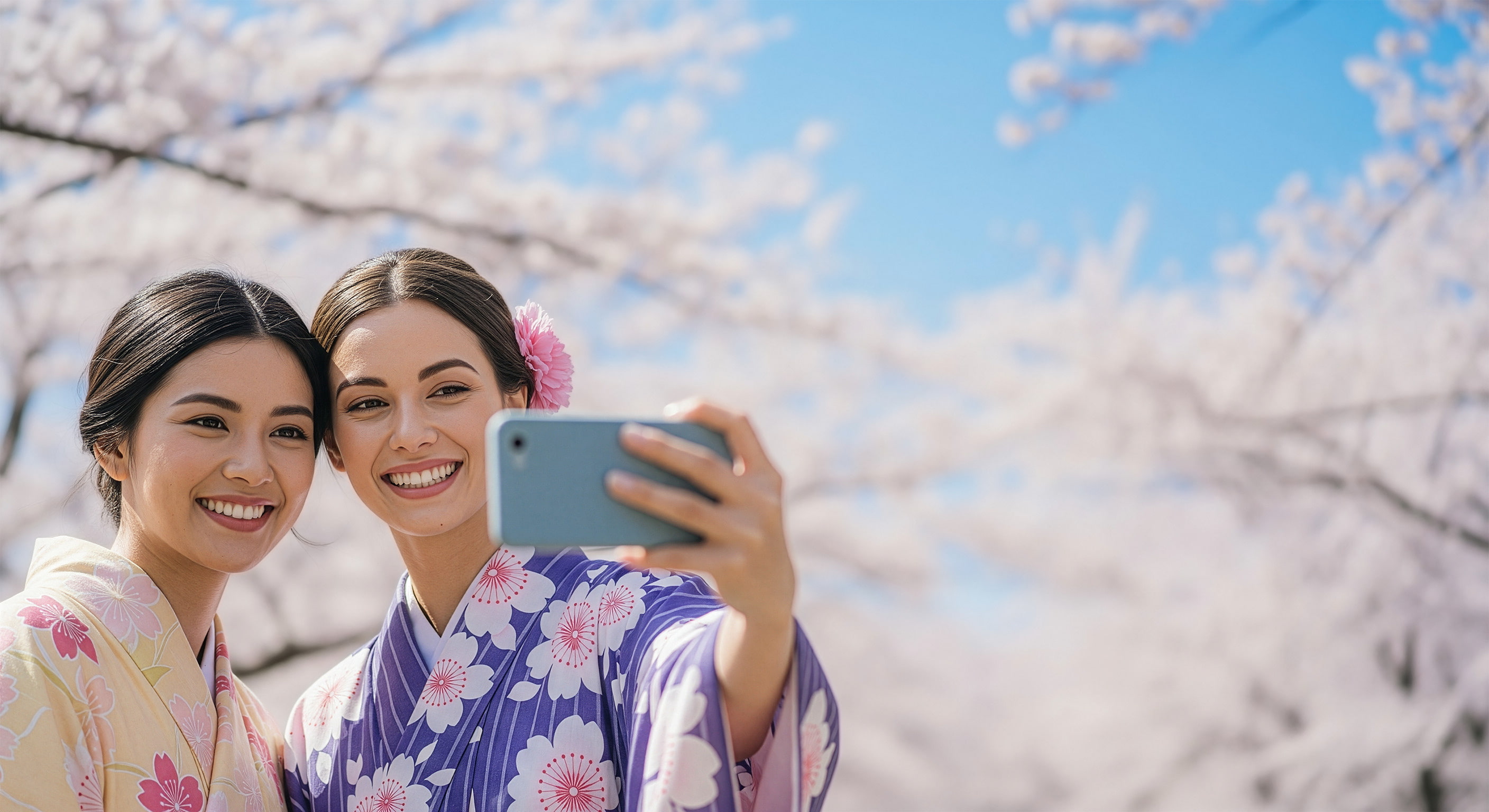
When you think of visiting Japan in spring, you probably picture cherry blossoms (Sakura). When you think of winter, you picture powder snow. But did you know that in Japan, you can experience both at the same time?
From March to early May, Japan offers a unique travel experience called "Spring Skiing" (Haru-Ski). Imagine carving down a snowy mountain in the morning and enjoying a Hanami (flower viewing) picnic under the pink blossoms in the afternoon. With fewer crowds, sunny blue skies, and mild temperatures, this contrast is one of the best-kept secrets of Japanese travel.
Why Spring is the Best Time for Adventure
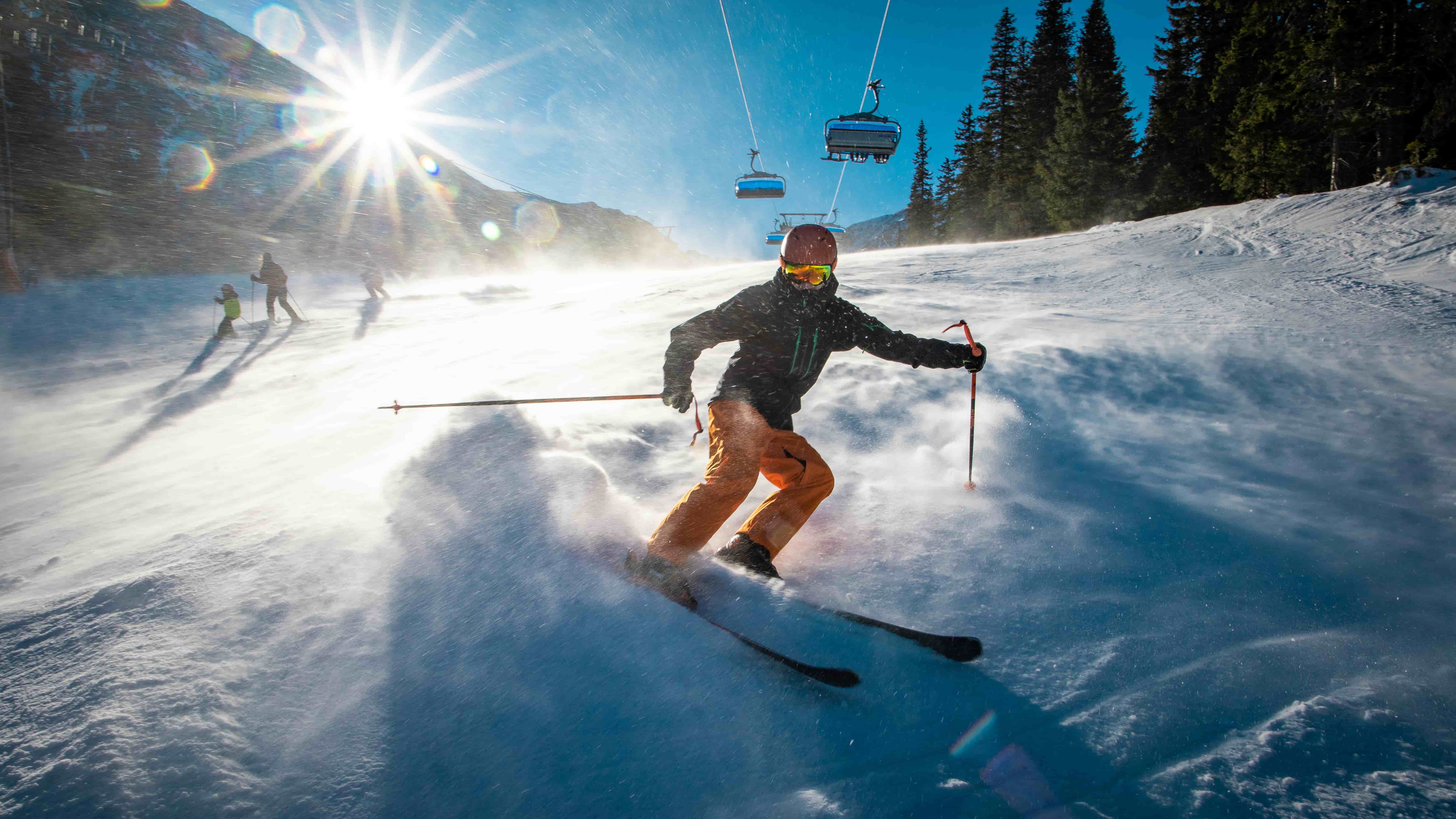
While the deep powder of January is famous, spring skiing has its own amazing benefits:
1. Bluebird Days & Warmer Weather
Unlike the harsh blizzards of winter, spring offers a high chance of sunny, clear blue skies. The weather is mild enough that you can often ski in a light jacket or even a t-shirt! It is perfect for families and beginners who want to enjoy the snow without freezing.
2. The "Snow & Sakura" Combo
In regions like Nagano, Niigata, and Tohoku, high-altitude resorts remain open until May. Because of the elevation difference, you can ski on the mountain peaks and then drive down to the valleys where the cherry blossoms are in full bloom. It is a photogenic journey you won't find anywhere else.
3. Relaxed Atmosphere
The winter crowds have gone home, leaving the slopes open and stress-free. Lift tickets and accommodations are often cheaper, too.
Top 4 Spots for the "Snow & Sakura" Combo
Japan's incredible high-speed rail network makes combining winter sports and spring flowers easier than you think. Here are four world-class destinations to add to your itinerary:
1. Myoko (Niigata Prefecture)
- The Vibe: The Ultimate Spring Contrast.
- Access: Take the Hokuriku Shinkansen to Joetsumyoko Station.
- The Experience: Myoko is legendary for its massive winter snowfall, allowing its high-altitude resorts to stay open well into spring. What makes it perfect is its proximity to Takada Castle Park. You can ski the deep spring snow during the day, and in the evening, visit the park to witness one of Japan's top three night-viewing cherry blossom spots (Yozakura), featuring over 4,000 illuminated sakura trees.
2. GALA Yuzawa (Niigata Prefecture)
- The Vibe: Ultimate Convenience.
- Access: Only about 70 minutes from Tokyo via the Joetsu Shinkansen—the bullet train station is directly inside the ski resort!
- The Experience: You can ski on soft spring snow (the resort usually stays open until early May) and take the Shinkansen back to Tokyo in the afternoon to view the cherry blossoms at Ueno Park on the exact same day.
3. Hakuba Valley (Nagano Prefecture)
- The Vibe: The Perfect Alpine Photo.
- Access: Take the Hokuriku Shinkansen from Tokyo to Nagano Station (about 90 mins), then a direct express bus to the valley.
- The Experience: Because of the higher elevation, Hakuba's cherry blossoms bloom later, typically from late April to early May. Spots like Oide Park offer an iconic, breathtaking view: delicate pink sakura framing the dramatic, snow-capped peaks of the Northern Alps.
4. Niseko (Hokkaido)
- The Vibe: Late-Spring Powder Paradise.
- Access: A short domestic flight to Sapporo (New Chitose Airport) followed by a bus or train.
- The Experience: Hokkaido is far north, meaning the ski season stretches well into May with surprisingly good snow quality. Cherry blossoms also arrive here much later (early to mid-May). It's the perfect destination if you are visiting during Japan's "Golden Week" holidays.
The Hidden Trap: Don't Let the Temperature Trick You
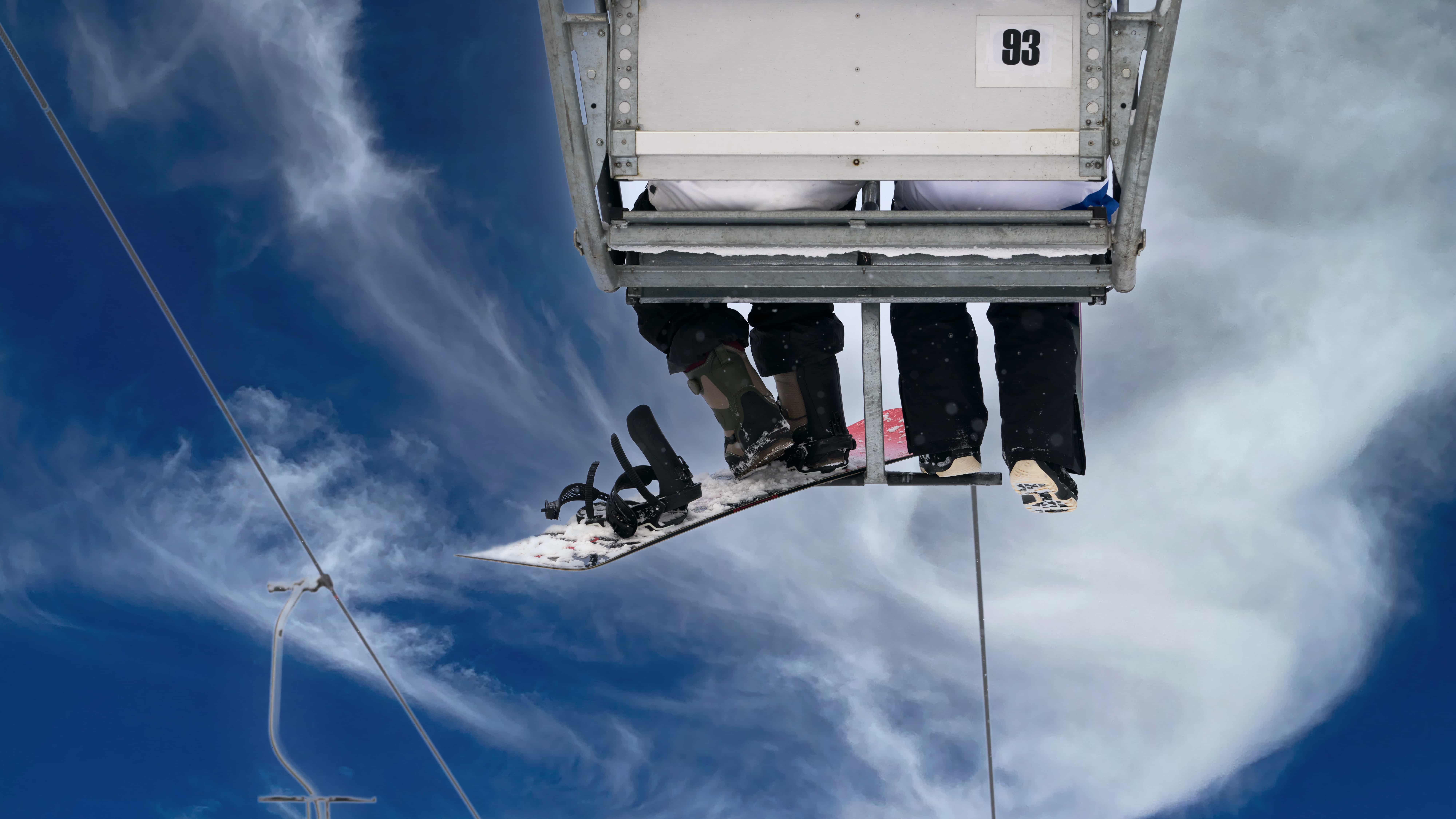
While spring skiing is visually stunning and physically delightful, it comes with a specific health risk: Extreme Temperature Fluctuation.
🩺 Doctor's Insight: The "Spring Temperature Trap"
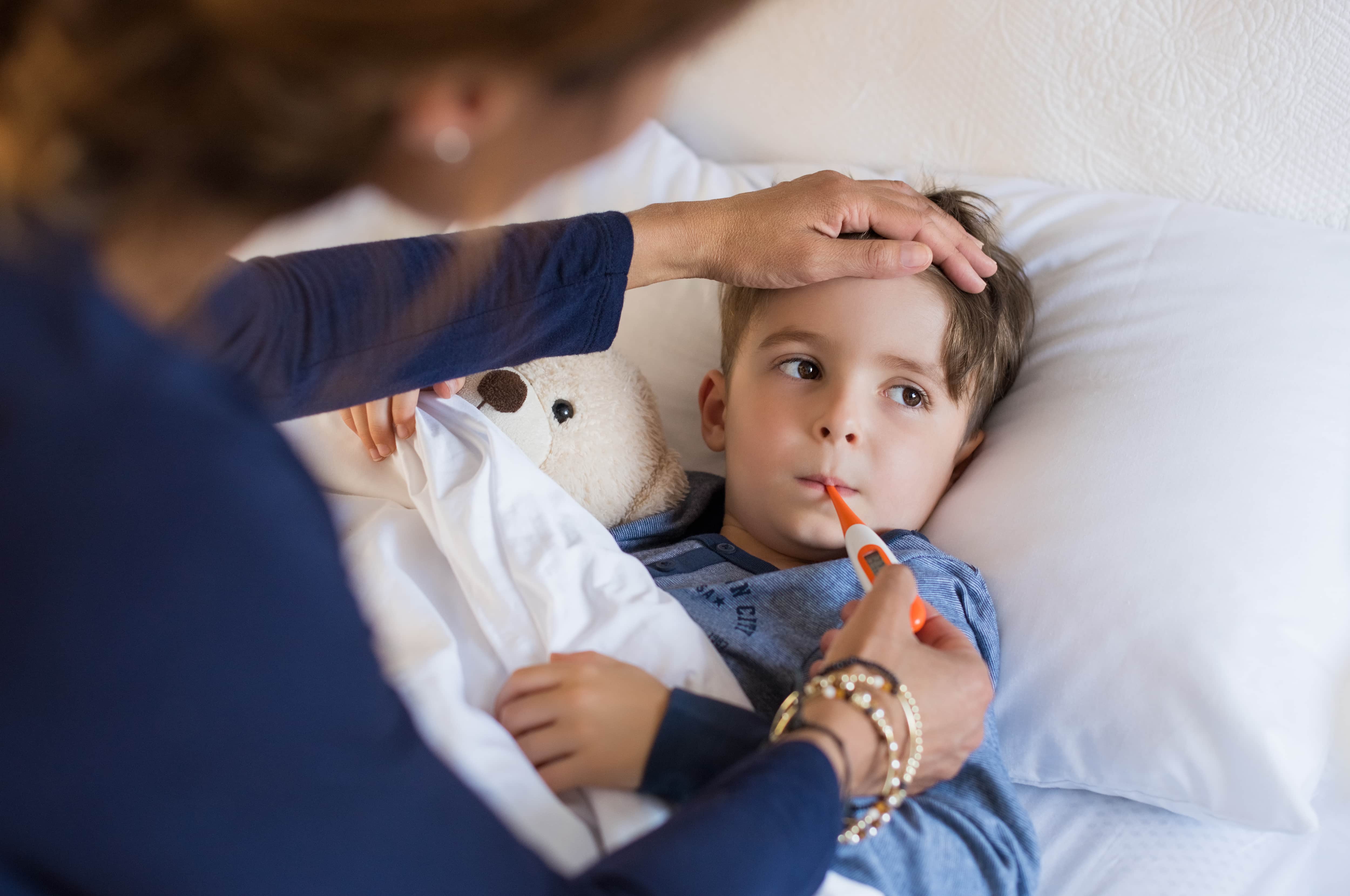
During the day, the spring sun is strong, causing you to sweat under your ski gear. However, from a medical standpoint, the danger occurs when you ride a shaded chairlift or when the sun sets for evening Hanami. The sweat cools rapidly, leading to a sudden drop in core body temperature (wind chill effect). This immense stress severely weakens your immune system, making tourists highly susceptible to severe colds and fevers.
| Environment / Time | Impact on the Body | Doctor's Advice |
|---|---|---|
| Daytime Skiing (Sunlight) | Overheating and sweating due to intense UV reflection off the snow. | Wear breathable, moisture-wicking base layers. Avoid heavy winter cotton. |
| Chairlifts & Shade | Rapid cooling of sweat, causing sudden shivering and core temperature drop. | Always carry a windproof shell jacket to put on before getting on the lift. |
| Evening Sakura Viewing | Sub-zero wind chill while standing still outdoors. | Bring winter coats and heat packs (Kairo) even if the afternoon was warm. |
Frequently Asked Questions
Q. Where can I see cherry blossoms and ski on the same day in Japan?
A. Top destinations include Myoko (pairing mountain skiing with Takada Castle Park's blossoms), GALA Yuzawa (with easy Shinkansen access to Tokyo's parks), and Hakuba Valley.
Q. What should I do if I get a fever at a Japanese ski resort?
A. Rural ski areas often lack English-speaking clinics, especially at night. It is best to use a 24/7 online medical service like HOTEL de DOCTOR 24 to consult an English-speaking doctor directly from your ski lodge and receive proper medication advice.
Think you caught a cold after a day on the slopes?
Read our detailed guide: What to Do If You Catch a Cold in Japan
Stay Safe with HOTEL de DOCTOR 24
If you wake up with a sore throat, fever, or chills after a day of sightseeing, don't ignore it. Navigating rural clinics in ski towns like Hakuba, Myoko, or Yuzawa can be stressful, especially if you don't speak Japanese.
HOTEL de DOCTOR 24 is your safety net. Whether you are resting in a ski lodge or relaxing in a Tokyo hotel, you can consult a doctor online anytime.
- 24/7 Availability: Perfect for sudden fevers in the middle of the night.
- English Support: Explain your symptoms clearly via a professional interpreter.
- Fast Relief: Get the right medical advice and prescription guidance so you can get back to enjoying both the Sakura and the Snow.
Pack your sunglasses and your jacket, and enjoy the very best of Japan's spring!
Disclaimer: This article provides general travel information. If you experience severe symptoms, high fever, or difficulty breathing, please seek medical attention immediately.