Beat the Japanese Summer Heat: Dealing with Heat Rash (Miliaria) as a Tourist
Conclusion: If you develop an intensely itchy heat rash during your summer trip to Japan, skip the drugstore guesswork and consult an online doctor for targeted relief.
Reason & Evidence: Japan’s severe summer humidity frequently causes miliaria (heat rash). While local pharmacies offer mild creams, severe or infected rashes require prescription-strength treatments that cannot be bought over-the-counter. HOTEL de DOCTOR 24 provides quick, English-supported online diagnoses and sends prescriptions directly to a nearby pharmacy.
Visiting Japan during the summer is an incredible experience. From vibrant summer festivals (matsuri) and spectacular fireworks to enjoying shaved ice under the shade of ancient temples, there is magic in the air. However, there is also intense heat and extreme humidity. If you find yourself walking 15,000 steps a day exploring Tokyo or Kyoto, you might develop an incredibly itchy, uncomfortable skin condition known in Japanese as Asemo (あせも)—better known to the world as Heat Rash or Miliaria.
What Causes Heat Rash and What Are the Symptoms?
According to the Centers for Disease Control and Prevention (CDC) and the National Institutes of Health (NIH), heat rash occurs when your sweat ducts become blocked. Instead of evaporating, the sweat gets trapped beneath your skin, causing inflammation and a rash.
Common symptoms include:
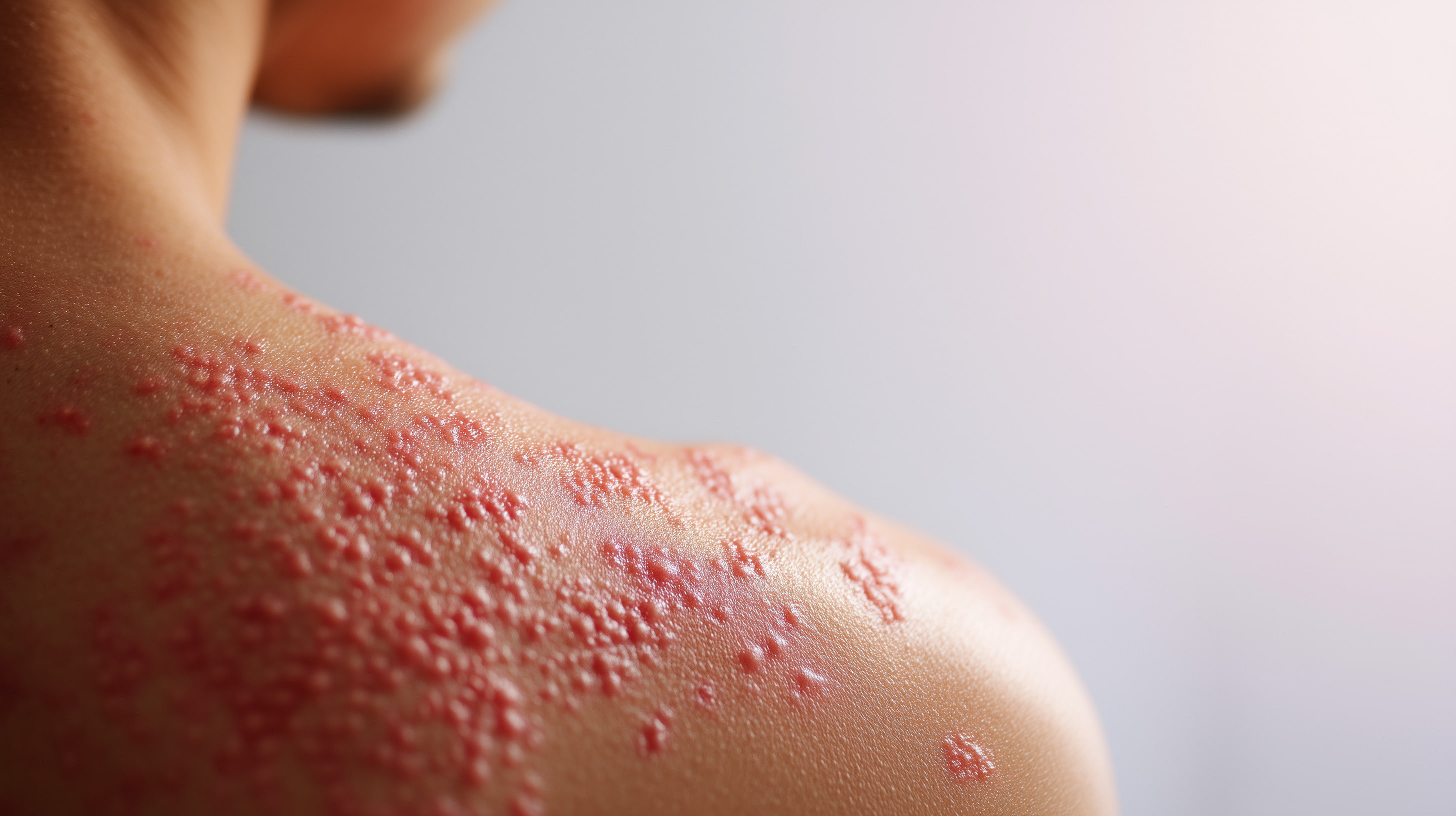
- Clusters of small red blisters or pimple-like bumps.
- An intense "prickly" or stinging sensation (hence the name "prickly heat").
- Redness and mild swelling in areas where sweat accumulates, such as the neck, upper chest, groin, under breasts, and in elbow creases.
🩺 Medical Insight: The Danger of Scratching
The intense itching caused by heat rash can be overwhelming, but scratching is the worst thing you can do. Breaking the skin introduces bacteria, transforming a simple, non-infectious sweat rash into a painful secondary bacterial infection (such as staph). Once an infection sets in, cooling down is no longer enough; you may require a course of topical or oral antibiotics to properly treat the skin.
Immediate Self-Care in Japan
If you feel the onset of heat rash, take advantage of Japan's world-class convenience infrastructure:
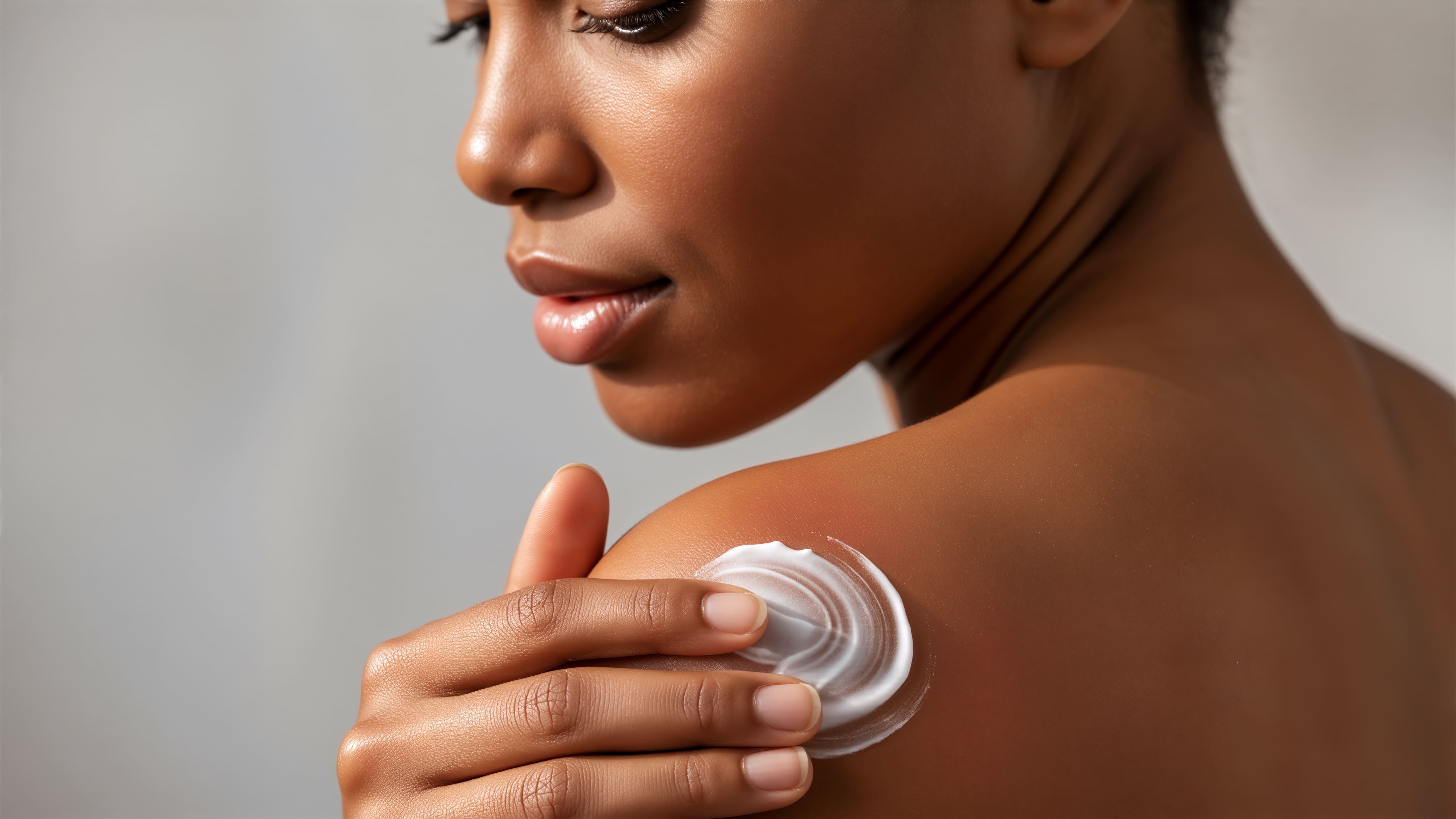
- Cool Down: Get out of the sun immediately. Find a highly air-conditioned space, such as a local café, department store, or your hotel room. Taking a cool shower helps unclog pores.
- Convenience Store Solutions: Stop by a 7-Eleven, FamilyMart, or Lawson and buy "Body Sheets" (ボディシート). Brands like Biore or Gatsby offer refreshing, cooling wet wipes that immediately reduce skin temperature and wipe away excess sweat.
- Drugstores (Yakkyoku): Local pharmacies carry mild, over-the-counter soothing lotions and low-dose hydrocortisone creams.
The Tourist's Dilemma: When OTC Isn't Enough

If your rash is severe, spreading, or incredibly painful, self-care might not cut it. This presents several major challenges for foreign tourists:
- The Language Barrier: Walking into a Japanese drugstore and trying to explain complex symptoms to a pharmacist can be frustrating and confusing.
- Prescription Limits: Japanese laws are strict. You cannot purchase highly effective, prescription-strength corticosteroid creams or antibiotics over-the-counter. You absolutely need a doctor's diagnosis.
- Clinic Wait Times: Visiting a local dermatology clinic (Hifuka) often involves hours of waiting, extensive paperwork in Japanese, and a lack of English-speaking staff.
| Treatment Approach | Medical Efficacy | Drawbacks for Tourists |
|---|---|---|
| OTC Creams from Drugstores | Low to Moderate. Good for mild, uninfected rashes. | Language barrier when choosing; not strong enough for severe cases. |
| Local Dermatology Clinic (Hifuka) | High. Proper diagnosis and strong prescription given. | Long wait times, complex paperwork, and lack of English support. |
| HOTEL de DOCTOR 24 (Online) | High. Fast visual diagnosis and immediate prescription. | Requires internet connection. Best for fast relief without clinic hassle. |
The Smart Solution: HOTEL de DOCTOR 24
You shouldn't have to sacrifice a day of your vacation sitting in a waiting room while dealing with a burning rash. HOTEL de DOCTOR 24 bridges the gap between Japan's medical system and your travel schedule.
- Consult from Your Hotel: Connect via smartphone. A doctor can visually assess the severity of your rash.
- No Language Stress: Professional medical interpreters ensure that you understand the doctor and the doctor understands your symptoms perfectly.
- Get the Right Medication: If you need prescription-strength steroid creams or antibiotics for an infected rash, the doctor will send the prescription straight to a pharmacy near you for easy pickup.
Frequently Asked Questions
Q. Can I buy strong prescription-strength steroid cream at a Japanese drugstore?
A. No. While you can find mild hydrocortisone creams over-the-counter (OTC) at a Japanese drugstore, strong topical steroids and antibiotics for severe or infected heat rash require a doctor's prescription.
Q. How can an online doctor treat my heat rash?
A. Through a video consultation, a doctor can visually inspect the rash, assess the severity of the inflammation, rule out bacterial infections, and prescribe the appropriate strength of medication directly to a local pharmacy near your hotel.
Q. What are the best ways to cool down quickly in Japan?
A. Taking advantage of air-conditioned spaces, buying cooling body wipes (often sold as 'body sheets') from any convenience store, and taking cool showers are the most effective immediate steps to stop sweating and calm the skin.
Is your skin intensely itchy, red, or painfully inflamed?
Visit HOTEL de DOCTOR 24 at https://www.hoteldedoctor24.com for an immediate online medical consultation.
Don't let a summer rash slow down your adventure. Get treated, stay cool, and enjoy all the beautiful sights Japan has to offer!
For Further Information & Official Guidance
- CDC: Heat-Related Illnesses - Visit Site
- MedlinePlus (NIH): Heat Rash (Miliaria) - Visit Site
Disclaimer: This article provides general medical information. If you experience severe symptoms such as dizziness, confusion, nausea, or a high fever along with a rash, these could be signs of severe heat stroke. Please call 119 for an ambulance immediately.