Conquering Japan's Peaks: A Tourist's Guide to Altitude Sickness
Conclusion: Attempting a rapid overnight ascent of Mt. Fuji (Bullet Climbing) puts tourists at severe risk of Acute Mountain Sickness — if symptoms appear, you must descend immediately, and if they persist after returning to your hotel, consult a doctor.
Reason & Evidence: Rapid exposure to low-oxygen environments without rest at a mountain hut causes brain blood vessels to dilate and leads to AMS; over-the-counter painkillers only mask symptoms and the only real treatment is descent — but if post-descent symptoms persist, HOTEL de DOCTOR 24 lets you consult an English-speaking doctor online for diagnosis and prescription relief without leaving your hotel.
What you will learn in this article:
- Why Bullet Climbing is medically dangerous and how hypoxia causes Acute Mountain Sickness
- How to distinguish mild AMS from life-threatening HACE/HAPE and what action to take
- How to get prescription relief for post-descent symptoms from an online English-speaking doctor
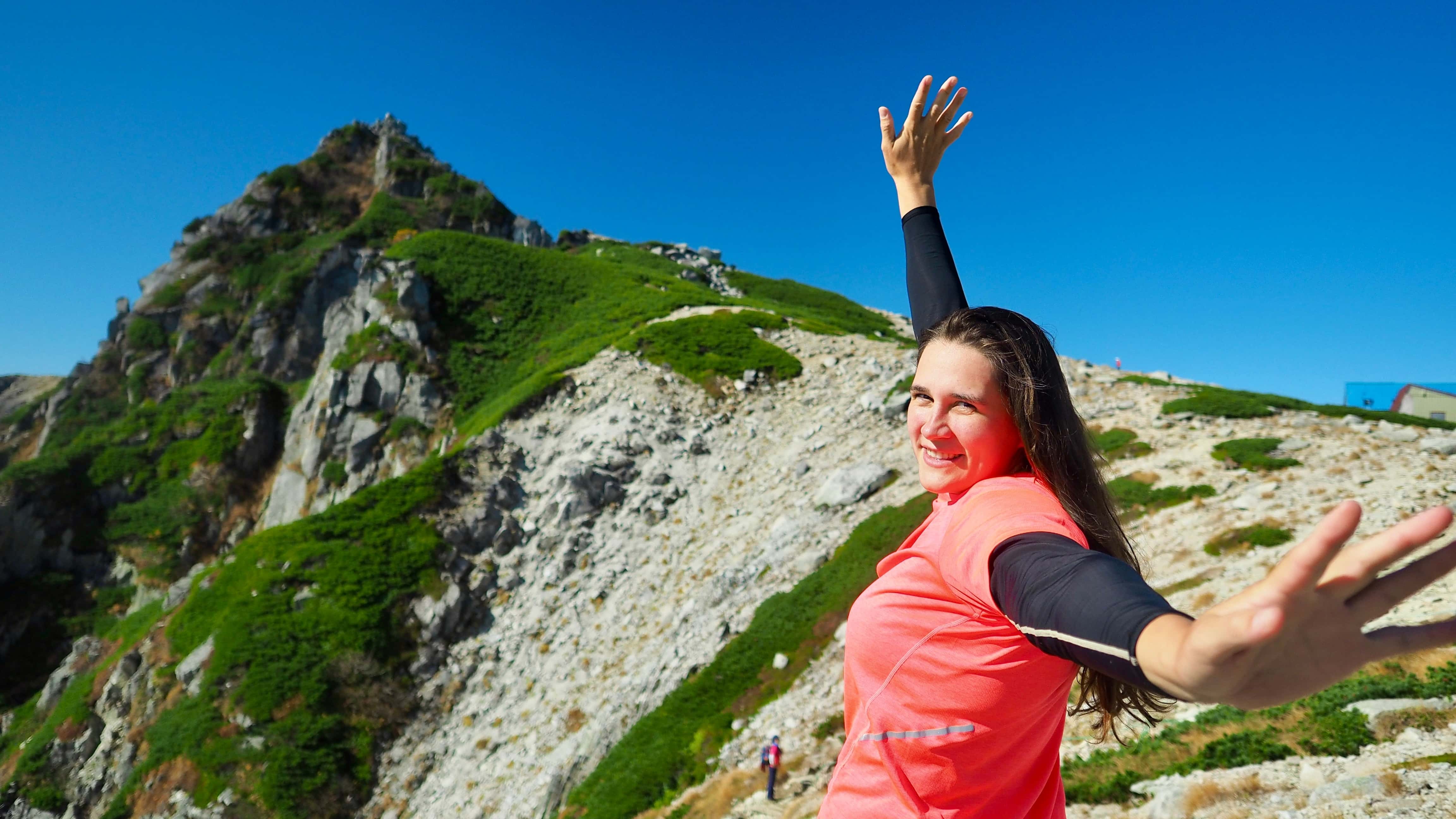
Japan is home to breathtaking mountains, with the iconic Mt. Fuji (3,776 meters / 12,388 feet) topping the bucket lists of many international tourists. However, hiking at these elevations involves more than just physical endurance.
Every year, many tourists fall ill on Japanese mountains because they underestimate the effects of thin air. A major problem is "Bullet Climbing" (Dangan Tozan)—attempting to rush to the summit of Mt. Fuji overnight without resting.
🩺 Doctor's Insight: The Danger of "Bullet Climbing"
Medical professionals strictly advise against "Bullet Climbing" (0-night, 2-day rapid ascent). Rapid exposure to low-oxygen environments (hypoxia) without resting at a mountain hut causes the blood vessels in your brain to dilate, leading to mild brain swelling. This is the root cause of the severe, throbbing headache associated with Acute Mountain Sickness (AMS). Taking over-the-counter painkillers will not cure the hypoxia; The most important treatment is descending to a lower altitude, with oxygen administration and medication provided as needed.
Recognizing the Symptoms and Taking Action

According to the U.S. Centers for Disease Control and Prevention (CDC), altitude illness occurs when you travel to high altitudes too quickly. Knowing the difference between mild AMS and severe conditions is critical for your survival.
| Severity Level | Symptoms | Required Medical Action |
|---|---|---|
| Mild to Moderate (Acute Mountain Sickness - AMS) |
Headache (first sign), fatigue, nausea, dizziness, and difficulty sleeping. Feels like a severe hangover. | Stop ascending immediately. Rest and hydrate. If symptoms do not improve, you must descend. |
| Severe & Life-Threatening (HACE / HAPE) |
Confusion, inability to walk straight, extreme shortness of breath even while resting, coughing up pink/frothy liquid. | Descend immediately. Seek emergency mountain rescue (Call 119). This is a medical emergency. |
Prevention: The Golden Rules
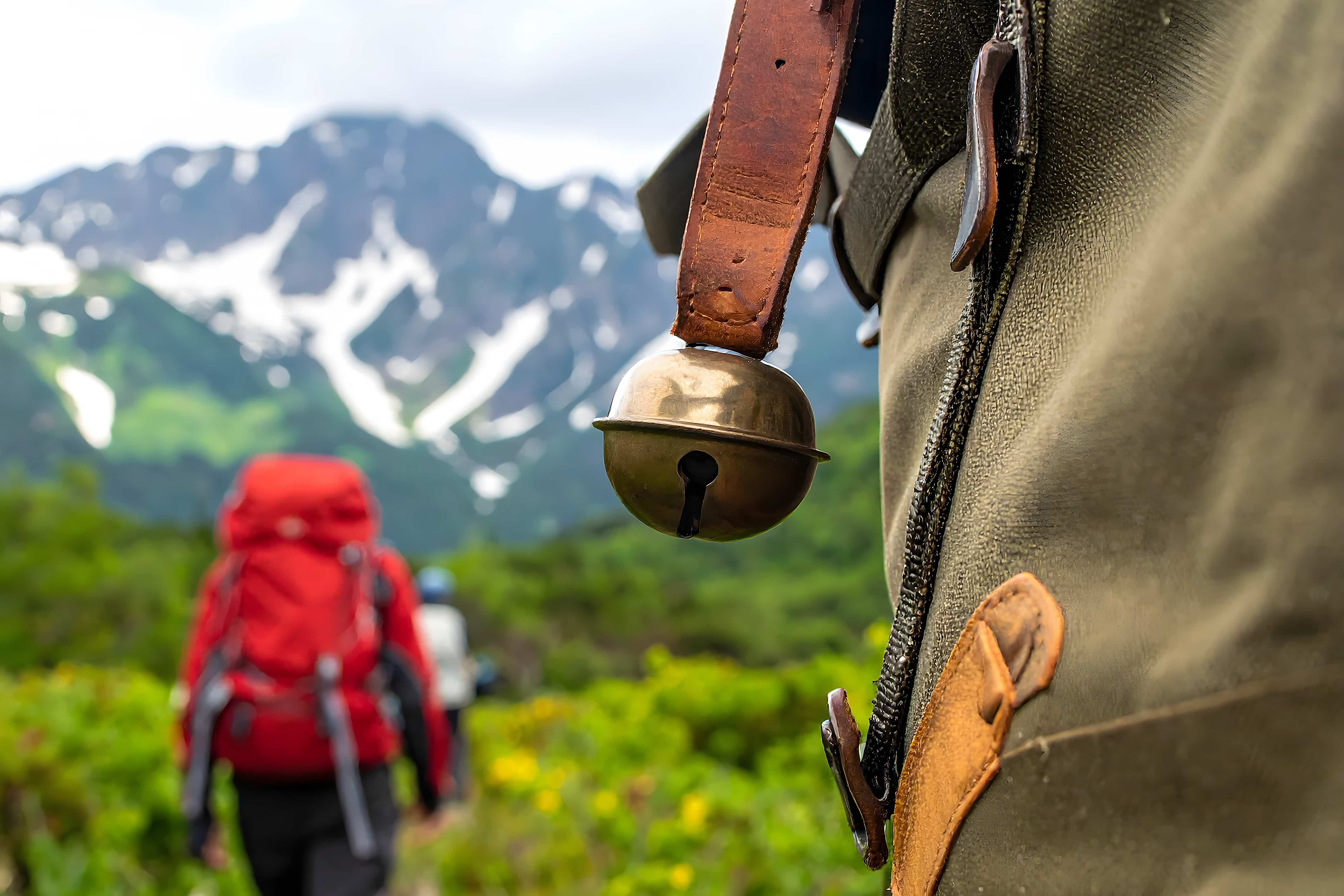
- Ascend Gradually: Take your time. Stay at a mountain hut halfway up to let your body acclimatize.
- Hydrate: Drink plenty of water before and during your hike. Avoid alcohol and sleeping pills.
- Listen to Your Body: Never force yourself to keep climbing if you feel unwell. The mountain will always be there next year.
After the Descent: When You Still Feel Unwell
Most mild symptoms of AMS resolve once you descend. However, what if you have made it back to your hotel near Lake Kawaguchiko or returned to Tokyo, and you still have a pounding headache, severe nausea, or extreme fatigue?
Finding an English-speaking clinic in a rural mountain town is incredibly difficult. You are exhausted, and the last thing you want to do is navigate a Japanese hospital waiting room.
Rest and Recover with HOTEL de DOCTOR 24
If you have descended safely but still feel sick, HOTEL de DOCTOR 24 provides immediate medical support directly to your hotel room.
- Online Doctor Consultation: Speak to a medical professional via video call from the comfort of your bed.
- No Language Barrier: Professional interpreters will help you explain your symptoms accurately.
- Prescription Relief: The doctor can prescribe medication for severe headaches or post-descent nausea to help you recover faster, and direct you to the nearest pharmacy.
Frequently Asked Questions
Q. What is Bullet Climbing (Dangan Tozan) and why do doctors say it is dangerous
A. Bullet Climbing refers to attempting to reach the summit of Mt. Fuji overnight without resting at a mountain hut. Doctors warn this drastically increases the risk of Acute Mountain Sickness (AMS) because it denies your body the essential time needed to acclimatize to the thin air and lower oxygen levels.
Q. Can I cure altitude sickness on Mt. Fuji with over-the-counter painkillers
A. No. Over-the-counter painkillers only mask the headache. The only true medical cure for altitude sickness is to stop ascending and immediately descend to a lower altitude. If severe headaches or nausea persist even after descending, you should consult a doctor via HOTEL de DOCTOR 24.
Descended the mountain but still feeling sick? Get expert medical advice now.
Visit HOTEL de DOCTOR 24 at https://www.hoteldedoctor24.com.
Respect the mountain, take it slow, and enjoy the stunning views safely!
For Further Information
- CDC: "Travel to High Altitudes" Visit CDC Page
Disclaimer: This article provides general travel information. HOTEL de DOCTOR 24 is an online service for non-emergencies. If you are still on the mountain and experiencing severe symptoms like confusion, inability to walk, or extreme shortness of breath, please contact local mountain rescue or call 119 immediately in Japan.