Travel Japan in Summer: A Health & Wellness Guide for Cool Retreats Like Hokkaido & Karuizawa
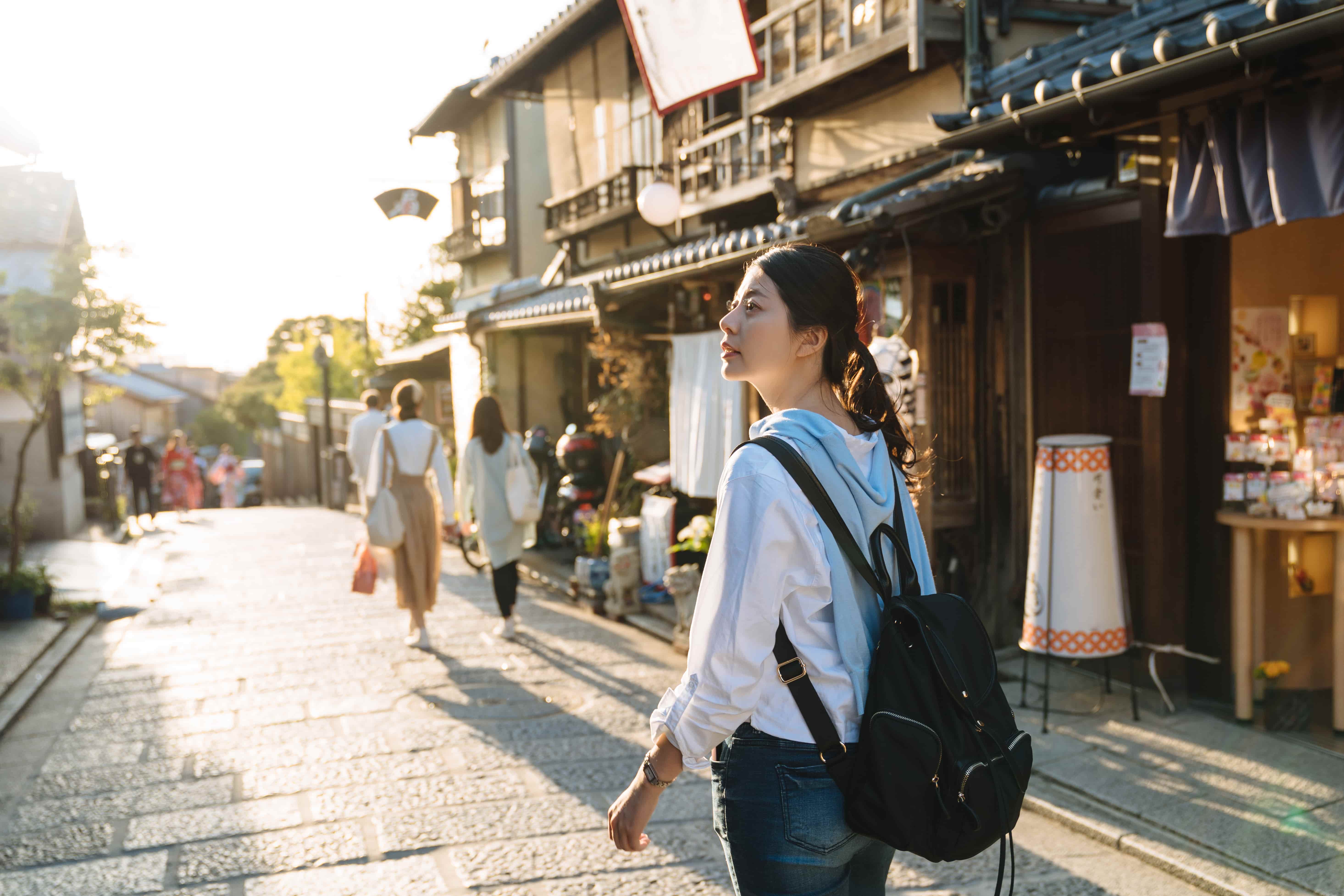
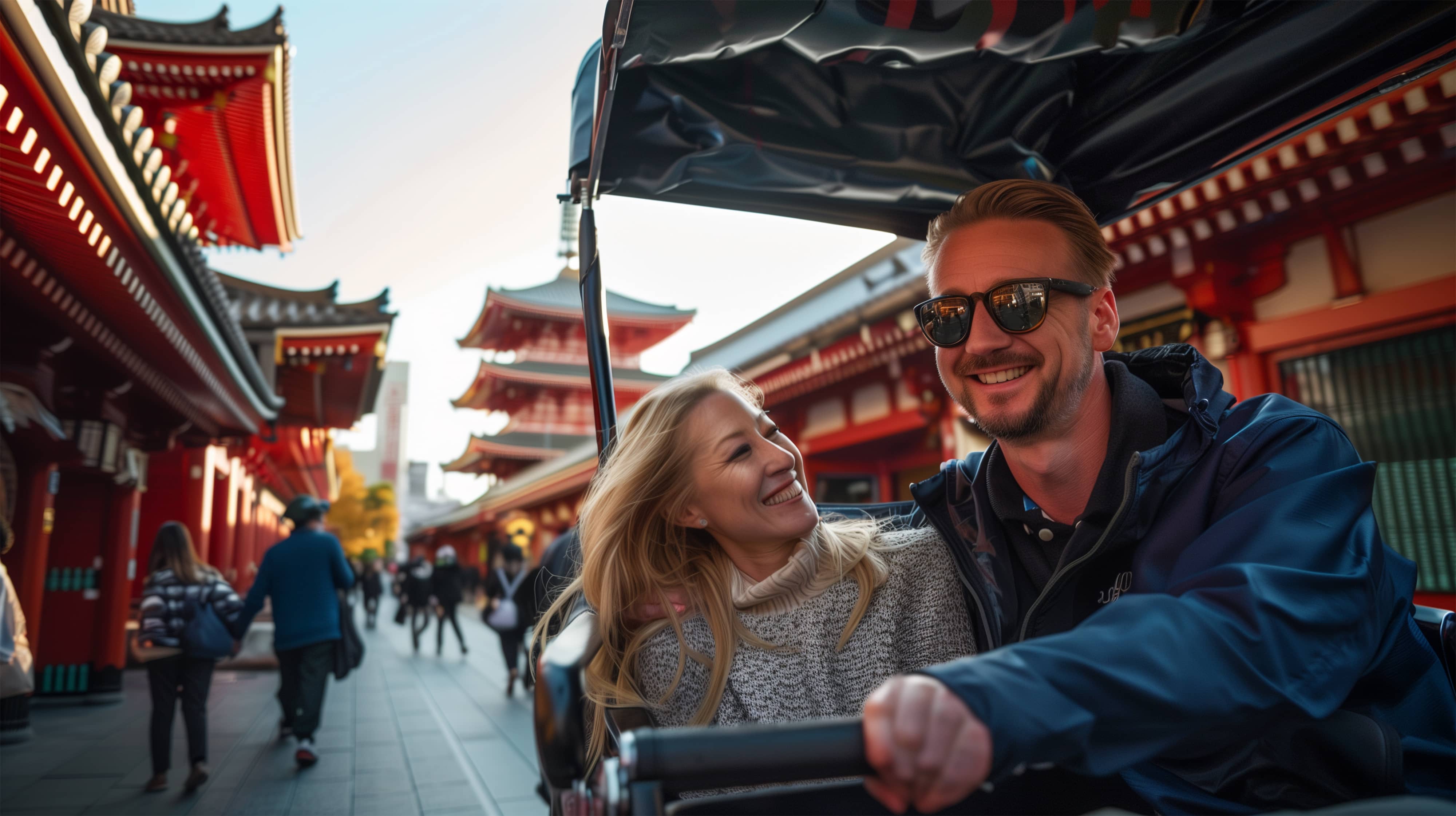
During the hot summer months, Japan—offering rich nature and refreshingly cool weather just a short flight away—has long been one of the most appealing summer escapes for international travelers. The most popular regions include:
- Hokkaido Region: Furano, Biei, Niseko and other areas famous for vast natural landscapes and crisp, low-humidity weather.
- Highland Resorts: Karuizawa (Nagano), Kamikochi, and the Fuji Five Lakes area, filled with lush greenery and cool, refreshing air.
However, behind the relaxation these summer destinations promise, there are unique health risks tied to environmental changes. To make sure your trip to Japan leaves only good memories, we have prepared this health guide to help you prevent and manage common travel-related discomforts.
1. Two Major Health Risks at Japan's Summer Retreats

Based on data from medical visits by foreign travelers in Japan, the most common health issues at summer retreats stem from these two main causes:
① Sudden Temperature Changes Causing Colds (Cough, Fever)
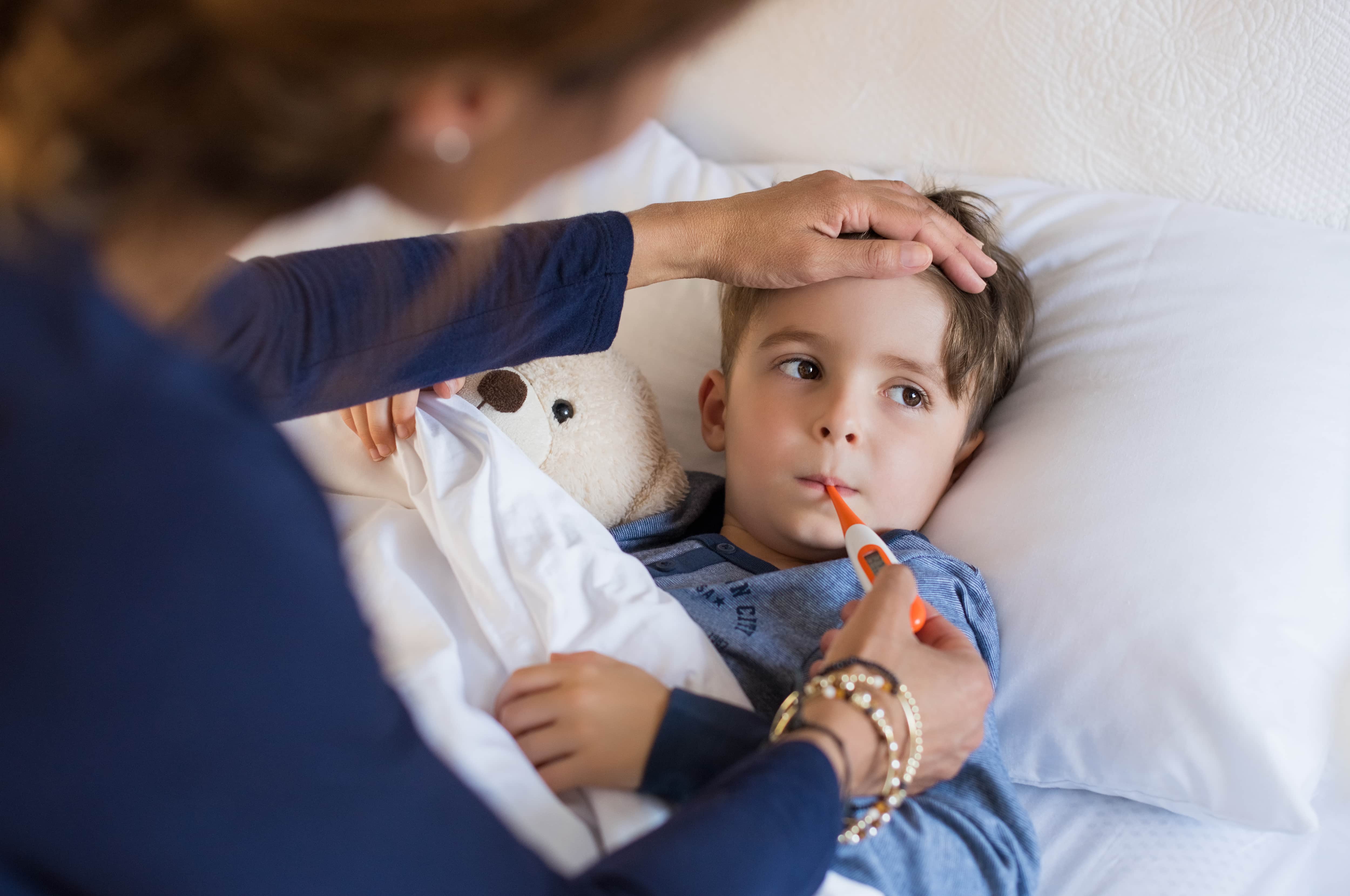
Although summer retreats can feel warm or even slightly hot during the day, mornings and evenings often cool down sharply. This significant temperature swing—combined with often-strong air conditioning indoors and on tour buses—can easily disrupt your autonomic nervous system. Once your immune defenses drop, you become prone to coughs, runny noses, and even fevers.
② Stomach Trouble from Diet and Fatigue (Abdominal Pain, Indigestion)
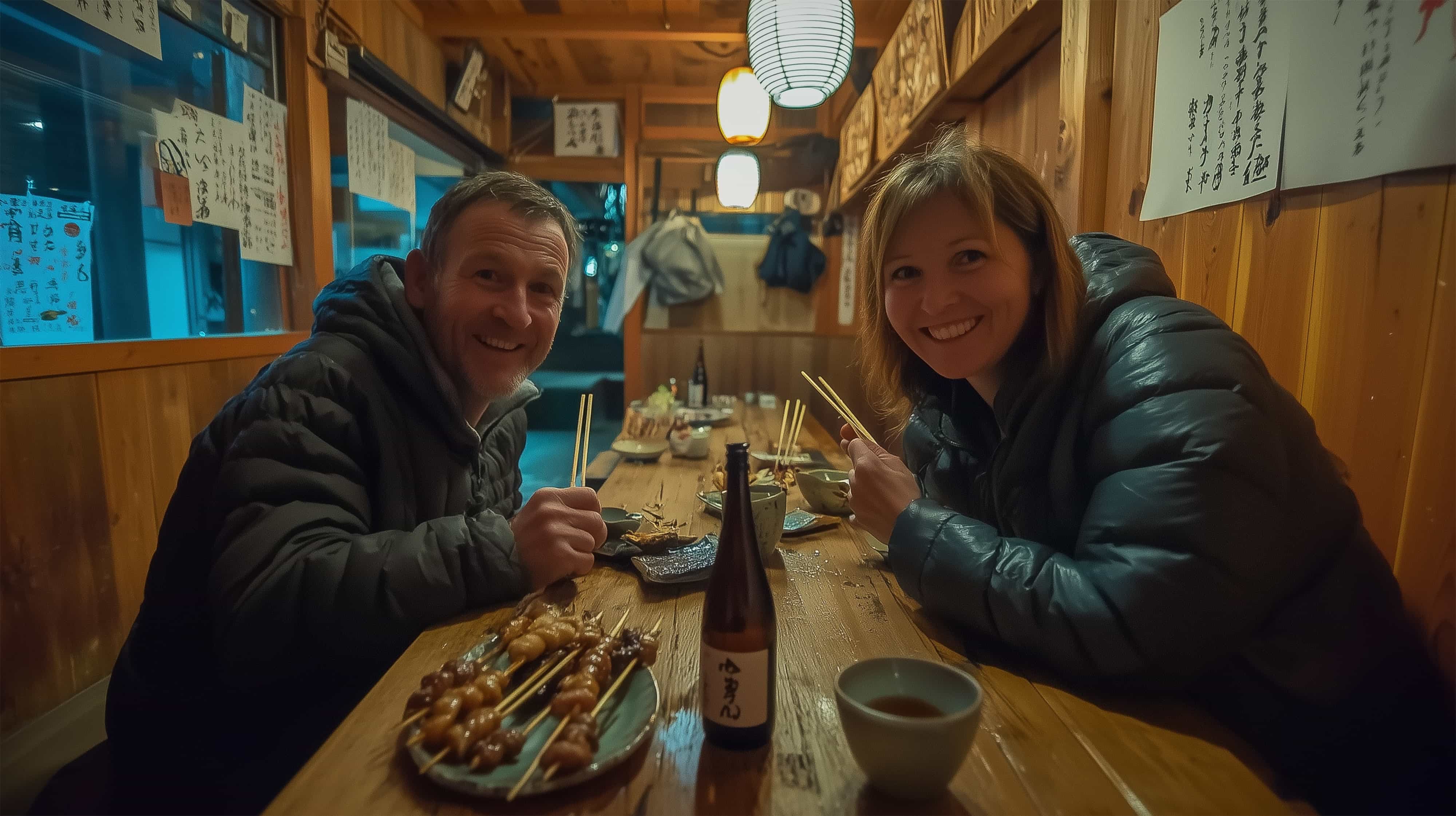
To beat the heat, travelers often unknowingly consume too many cold drinks, ice cream, and raw foods such as sashimi. Cold meals combined with the cumulative fatigue of a packed itinerary can dramatically reduce stomach function, leading to sudden abdominal pain, diarrhea, or severe indigestion.
2. Prevention is Better than Cure: Strategies for Environmental Changes
Prevention beats treatment. With a little attention to clothing and diet, you can significantly lower your risk of getting sick:
- Practice "layered dressing": Do not go out in just a short-sleeved shirt. Always carry a lightweight windbreaker, knit cardigan, or shawl so you can adjust your body temperature when entering air-conditioned rooms or as temperatures drop in the evening.
- Control air conditioning carefully: In your hotel room, avoid letting the AC blow directly on your body. When sleeping, set the temperature higher or use a timer to turn it off, and keep a light blanket over your stomach area.
- Choose balanced meals: After enjoying cold desserts or drinks, have warm tea to soothe your stomach. If a previous meal was greasy or contained a lot of raw food, choose easily digestible options like udon noodles or hot soup for the next meal to balance things out.
3. Self-care for Mild Symptoms
If you start feeling a dry, scratchy throat, slight feverishness, or stomach discomfort, take action immediately:
- Slow down and do not hesitate to cancel plans: The biggest mistake on a trip is "pushing through." Give your body half a day to a full day of rest at the hotel—this is the fastest way to recover.
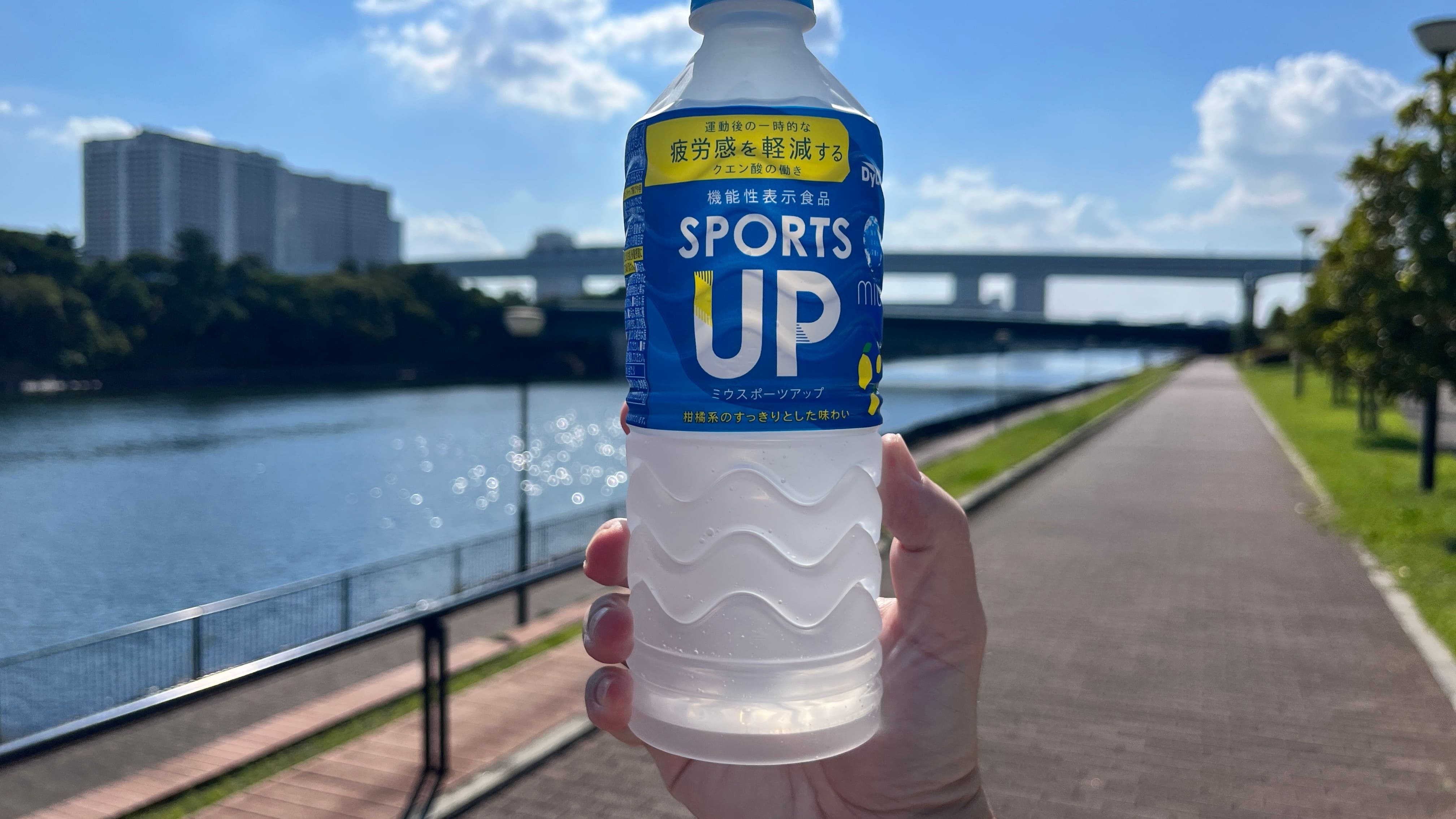
- Hydrate with room-temperature water: Avoid ice water and caffeinated drinks. Drink plenty of room-temperature water. If you have diarrhea, buy a sports drink commonly found at Japanese convenience stores (such as Pocari Sweat) and dilute it with a little warm water to replenish lost electrolytes.
- Take familiar medications: If you brought any cold or stomach medicines from home that you regularly use, take them according to the instructions to ease the early symptoms.
4. When Should You Seek Help from a Japanese Medical Facility?
While many mild symptoms can be managed with rest, do not hesitate to seek professional medical help if any of the following occur:
- Your fever exceeds 38.5°C (101.3°F) and does not subside even after taking fever-reducing medication.
- You experience severe vomiting or diarrhea that prevents you from eating or drinking, putting you at risk of dehydration.
- You develop unusual severe symptoms such as rapid breathing or sharp abdominal pain.
- Your symptoms continue to worsen for more than two days without improvement.
5. What If There is a Language Barrier? "HOTEL de DOCTOR 24" Offers Reliable Support

In remote summer destinations like Hokkaido or highland resorts, finding a hospital is already difficult—let alone finding a clinic where staff can communicate in your language. At your weakest moments, language barriers can cause significant stress on top of your physical symptoms.
This is when the online medical service designed specifically for foreign travelers, HOTEL de DOCTOR 24, becomes your strongest ally:
- No need to go out—consult from your hotel room: Stay in the comfort of your hotel and use your smartphone for a video consultation with a licensed Japanese doctor, with no travel required.
- Professional multilingual medical interpretation: The service includes professional medical interpreters, so you can confidently describe "where it hurts" and "how you feel" in your own language without worry.
- Easy prescription pickup: If the doctor issues a prescription, it is sent directly to a partner pharmacy near your accommodation, making it easy to pick up the right Japanese medication.
Do not let an unexpected illness ruin your long-awaited summer escape.
Before traveling to Japan, we strongly recommend bookmarking the HOTEL de DOCTOR 24 website on your phone. If you ever need medical help, you will be able to access professional care with confidence.
For more information, visit: https://www.hoteldedoctor24.com
Disclaimer: The health management advice in this article is for general guidance only and cannot replace professional medical advice. In case of a medical emergency, seek help from local medical facilities or call 119 for an ambulance in Japan.