A Comfortable Journey in Japan: Health & Wellness Guide for Singaporean Travelers at Summer Resorts

To escape the year-round tropical heat of Singapore, many travelers seek refuge in the cool, refreshing climates of Japan's premier summer resorts. These destinations offer an ideal getaway with their rich nature and pleasant temperatures. Some of the most popular areas include:
- Hokkaido Area: Furano, Biei, Niseko, etc. (Known for vast, picturesque landscapes, low humidity, and crisp air.)
- Highland Resorts: Karuizawa (Nagano), Kamikochi, Fuji Five Lakes area, etc. (Renowned for lush greenery and cool, refreshing mountain breezes.)
However, behind the relaxing atmosphere of these summer retreats lie specific health risks caused by environmental changes. To help you make the most of your trip, we have compiled this guide to prevent and manage unexpected health issues during your stay.
1. The Two Hidden Health Risks at Summer Resorts

Based on consultation data from foreign visitors, the most common health issues experienced in these resort areas stem from two main factors:
① Catching a Cold Due to Drastic Temperature Drops (Cough, Fever)
While daytime temperatures at summer resorts can be warm and comfortable, early mornings and late nights often see a sharp drop in temperature. This drastic contrast to Singapore's consistent equatorial climate, combined with overly strong air-conditioning indoors or on tour buses, can disrupt the autonomic nervous system. This sudden shock lowers immunity, making you highly susceptible to colds, coughs, and fevers.
② Gastrointestinal Troubles (Stomachache, Indigestion)
To cool down during the day, travelers often consume excessive amounts of cold drinks, ice cream, or raw foods (like sashimi). A chilled stomach, paired with accumulated travel fatigue from a packed itinerary, can severely weaken your digestive system, leading to sudden stomachaches, diarrhea, or severe indigestion.
2. Prevention: Adapting to the Environment
Prevention is always better than cure. Minor adjustments to your clothing and diet can significantly reduce the risk of falling ill:
- Adopt the "Onion Layering" Method: Never head out in just a short-sleeved t-shirt! Always carry a light windbreaker, cardigan, or shawl. This allows you to easily add or remove layers when entering heavily air-conditioned spaces or when the temperature drops in the evening.
- Manage Air-Conditioning: In your hotel room, avoid sleeping with the air-con blowing directly on you. Set the temperature slightly higher or use a timer at night, and keep your abdomen covered with a light blanket.
- Balance Your Diet: After enjoying cold desserts or iced drinks, follow up with a cup of hot tea to warm your stomach. If you have a heavy meal or raw food, opt for something easy to digest like hot udon soup for your next meal.
3. Self-Care When Mild Symptoms Appear
If you start experiencing a scratchy throat, a slight fever, or mild stomach discomfort, take immediate action:
- Slow Down and Rest: Don't force yourself to stick to the itinerary. Giving your body half a day or a full day to rest and sleep in your hotel is the fastest way to recover.
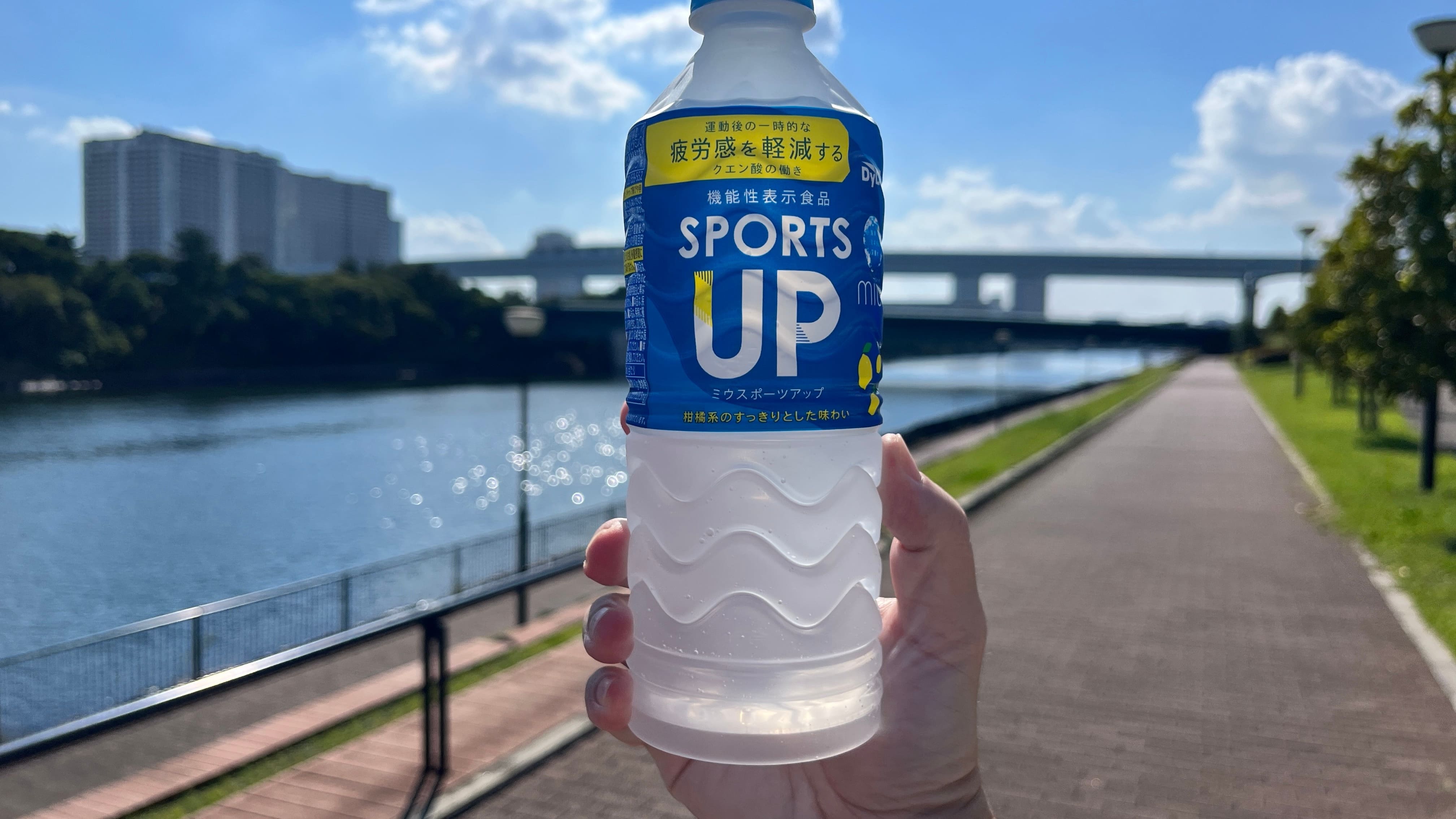
- Hydrate with Room Temperature Fluids: Avoid iced drinks and caffeine. Drink plenty of room-temperature water. If you have diarrhea, purchase an isotonic drink (like Pocari Sweat) from a nearby convenience store and dilute it slightly with warm water to replenish electrolytes.
- Take Familiar OTC Medication: If you brought familiar over-the-counter flu or gastric medication from Singapore, use them as directed to manage early symptoms.
4. When to Seek Medical Help in Japan
While most mild symptoms can be managed with rest, do not hesitate to seek professional medical attention if you experience:
- A high fever (e.g., above 38.5°C) that does not subside after taking fever medication.
- Severe vomiting or diarrhea leading to an inability to eat or drink, risking dehydration.
- Severe symptoms such as shortness of breath or intense abdominal pain.
- Symptoms that continuously worsen or do not improve after two days.
5. Don't Speak Japanese? Get Reliable Support with HOTEL de DOCTOR 24

Finding a clinic in remote resorts like Hokkaido or highland areas is challenging enough, let alone finding an English-speaking doctor. The language barrier can add immense stress when you are already feeling unwell.
This is where HOTEL de DOCTOR 24, an online medical service designed for foreign travelers, becomes your safety net:
- Consult a Doctor from Your Hotel Room: No need to navigate unfamiliar streets while sick. You can consult with a certified Japanese doctor via video call on your smartphone directly from your hotel room.
- English Medical Interpretation: The service provides professional English medical interpreters, allowing you to accurately describe your symptoms and pain levels without worrying about miscommunication.
- Easy Prescription Pick-up: If the doctor prescribes medication, the prescription will be sent directly to a partner pharmacy near your accommodation for a hassle-free pick-up.
Don't let a sudden illness ruin your perfect summer getaway.
We highly recommend bookmarking the HOTEL de DOCTOR 24 website on your smartphone before departing for Japan. Should you need medical assistance, you will have immediate access to professional English-speaking care.
Learn more at: https://www.hoteldedoctor24.com
Disclaimer: This article provides general health management guidelines and is not a substitute for professional medical advice. For medical emergencies, please seek assistance at a local healthcare facility or dial 119 for an ambulance in Japan.