A Comfortable Journey in Japan: Health & Wellness Guide for Hong Kong Travelers at Summer Resorts
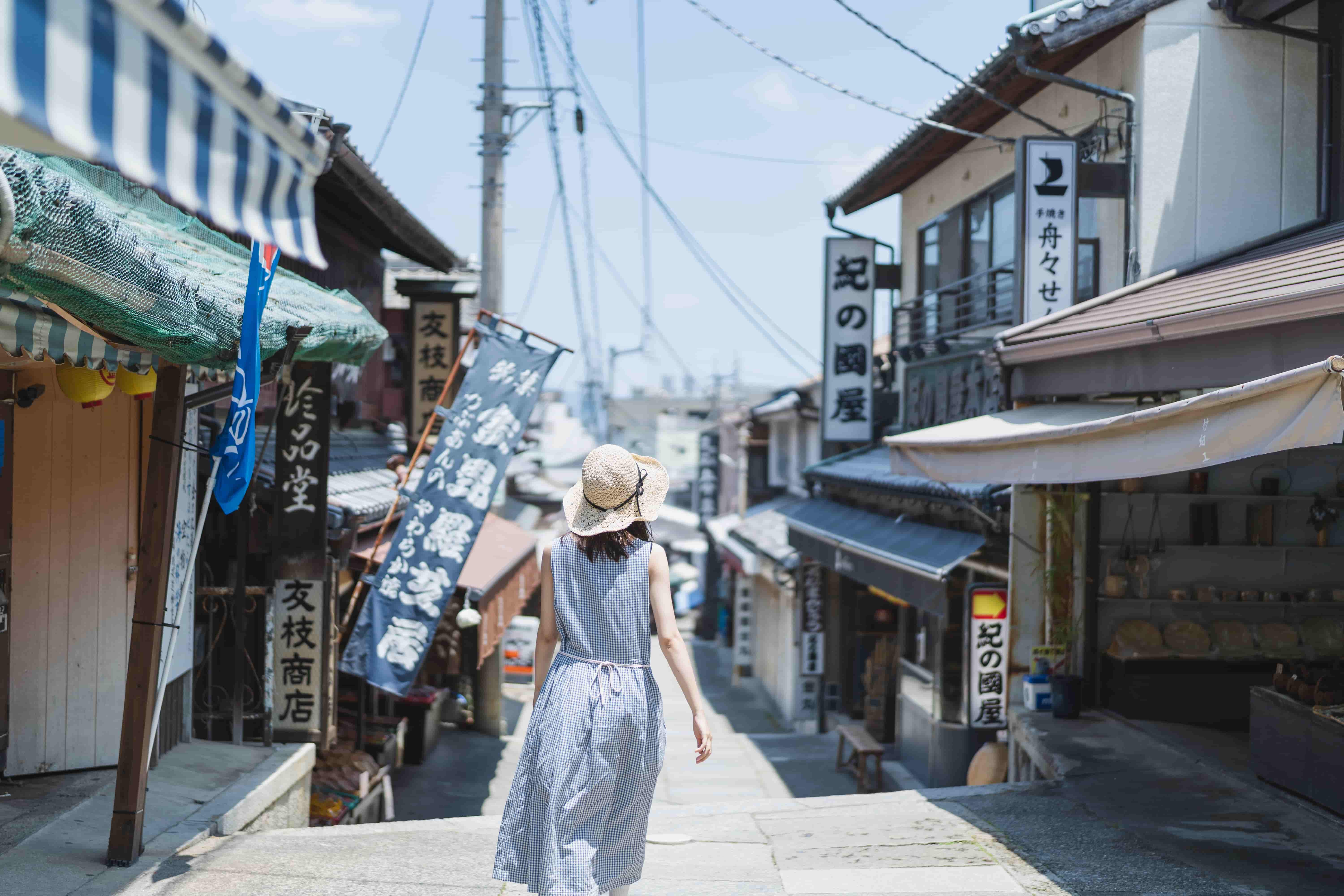
To escape Hong Kong's hot and humid summer, more and more travelers are heading to Japan in search of cooler climates and stunning natural scenery. Whether it is the vast highlands or the captivating northern landscapes, Japan offers a fantastic holiday option. The most popular summer destinations among Hong Kong travelers include:
- Hokkaido Area: Furano, Biei, Niseko, etc. (Known for low humidity, refreshing weather, and magnificent natural landscapes.)
- Highland Resorts: Karuizawa (Nagano), Kamikochi, Fuji Five Lakes area, etc. (Renowned for lush greenery and cool, refreshing mountain air.)
However, the abrupt shift from Hong Kong's persistent heat to Japan's cool resort areas can place a real strain on your body. To help you make the most of your trip, this summer-resort health guide will help you prevent and manage potential physical discomfort.
1. The Two Hidden Health Risks at Summer Resorts

Based on consultation data, physical discomfort experienced by travelers at summer resorts typically stems from two main factors:
① Catching a Cold Due to Drastic Temperature Drops (Cough, Fever)
Japan's summer resorts are comfortable during the day, but temperatures often plunge in the early morning and late at night. Hong Kong travelers, accustomed to consistently high temperatures, can easily experience disruption to their autonomic nervous system when exposed to overly strong air-conditioning on tour buses or indoors. This sudden shock lowers immunity, making you highly susceptible to colds, coughs, and fevers.
② Gastrointestinal Troubles from Diet and Fatigue
To beat the heat, Hong Kong travelers often enjoy iced drinks and ice cream. However, excessive consumption of cold or raw foods, combined with the physical exhaustion of a packed itinerary, can damage your digestive system. Common symptoms include sudden stomachaches, diarrhea, and indigestion.
2. Effective Prevention: Start with Clothing and Diet
Most discomfort can be avoided with simple preventive measures:
- Adopt the "Onion Layering" Method: Never head out in just a short-sleeved t-shirt! Always carry a light jacket, cardigan, or windbreaker with you. This way, you can quickly adjust your body temperature when entering air-conditioned rooms or when temperatures drop in the evening.
- Manage Hotel Air-Conditioning: When resting at your hotel, avoid letting the air-con blow directly on you. Set the temperature slightly higher, or use a timer to switch it off during the night, and make sure to keep your abdomen covered with a blanket.
- Balance with Warm Foods: After consuming raw or cold foods, drink hot tea to warm your stomach. If your stomach feels fatigued, opt for easily digestible foods like hot noodle soup at your next meal to give your digestive system a rest.
3. Self-Care When Mild Symptoms Appear
If you start experiencing a scratchy throat, a slight fever, or mild stomach discomfort, take immediate action:
- Rest Decisively and Adjust Your Itinerary: The biggest mistake on a trip is forcing yourself to push through. We recommend reserving half a day to a full day of rest and sleep at your hotel — this is key to recovering your energy.
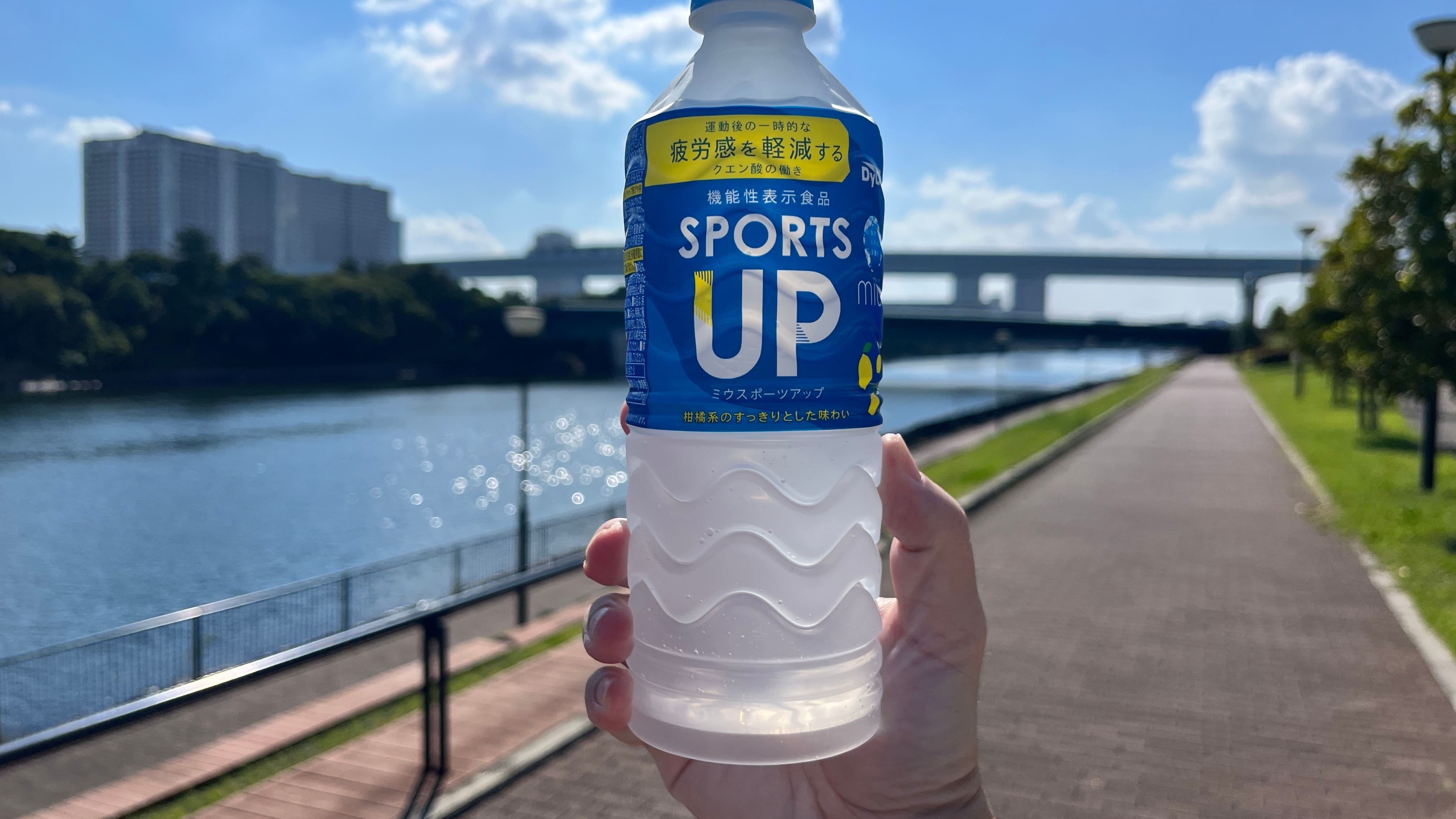
- Hydrate with Room-Temperature Fluids: Stop drinking iced water and caffeinated beverages. Buy an electrolyte drink (such as Pocari Sweat) at a convenience store and dilute it with warm water for effective hydration.
- Take Familiar OTC Medication: If you brought familiar over-the-counter flu or gastric medication from Hong Kong, follow the instructions to relieve early symptoms.
4. When Should You Seek a Japanese Medical Facility?
Do not attempt to self-treat any of the following serious situations — seek medical help immediately:
- A fever above 38.5°C that does not improve even after taking fever-reducing medication.
- Severe vomiting or persistent diarrhea, inability to eat or drink, and signs of dehydration.
- Unusual symptoms such as intense abdominal pain or shortness of breath.
- Symptoms that worsen, or fail to improve after two days.
5. Language Barrier? "HOTEL de DOCTOR 24" Has You Covered Anytime
In remote resort destinations, finding a clinic is already a challenge — let alone finding a doctor who can communicate in English or Chinese. Language barriers often add even more anxiety for unwell travelers.
HOTEL de DOCTOR 24 provides online medical support designed specifically for travelers:
- Stay at Your Hotel and Consult by Video: No need to travel while feeling unwell. With just your smartphone, you can have a video consultation with a certified Japanese doctor right from your hotel room.
- Professional Chinese / English Medical Interpretation: The service provides professional medical interpreters in Chinese and English, allowing you to describe your symptoms accurately to the doctor in your own language to ensure a precise diagnosis.
- Easy Prescription Pick-up: The doctor's prescription will be sent directly to a partner pharmacy near your accommodation, making it convenient and quick to collect your medication.
Don't let a sudden minor illness ruin your perfect getaway.
Before departing, we recommend adding HOTEL de DOCTOR 24 to your browser bookmarks. Should you feel unwell during your trip, professional medical assistance will be just a tap away.
For more details, visit the official website: https://www.hoteldedoctor24.com
Disclaimer: The content of this article is for reference only and does not constitute professional medical diagnosis. In an emergency, please seek help from a local medical facility or dial Japan's emergency number 119 to call an ambulance.